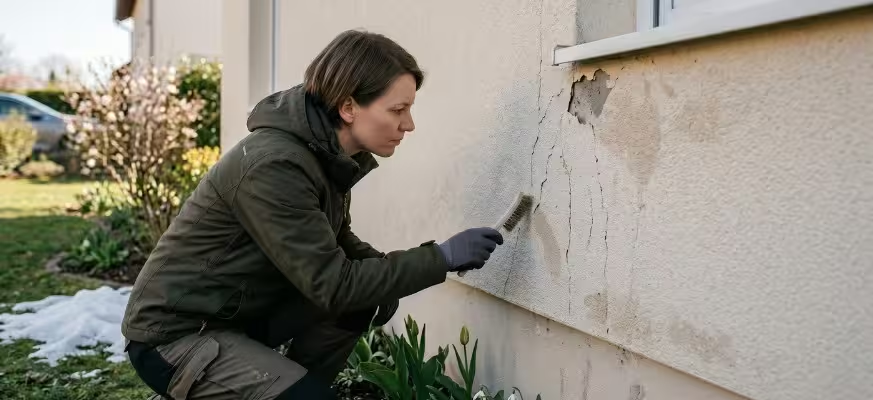
1. Roof Inspection (From the Ground)
Heavy snow, ice dams, and winter storms can loosen shingles or damage flashing without you ever noticing. You don't need to climb up there – grab a pair of binoculars and walk around the house.
Look for:
- • Missing, cracked, or curled shingles
- • Damaged flashing around chimneys or vents
- • Sagging spots or visible debris
- • Moss or algae growth (a sign of moisture retention)
If something looks off, call a roofer before the spring rains really pick up. A small repair now is a fraction of the cost of fixing water damage later.
💡Tipp: A complete overview of all tasks can be found here in our home maintenance checklist.
2. Clean Out Gutters and Downspouts
This one is critical. Clogged gutters are one of the leading causes of basement flooding and foundation damage. So cleaning your gutters is a must do. After winter, you'll likely find a mix of leaves, twigs, shingle granules, and the occasional surprise (we once found a tennis ball, don't ask).
Quick tips:
- • Wear gloves and use a sturdy ladder
- • Flush downspouts with a garden hose to check water flow
- • Look for rust, sagging brackets, or separation from the fascia