Jan 23, 2026

-

Maintenance

Home maintenance with checklist

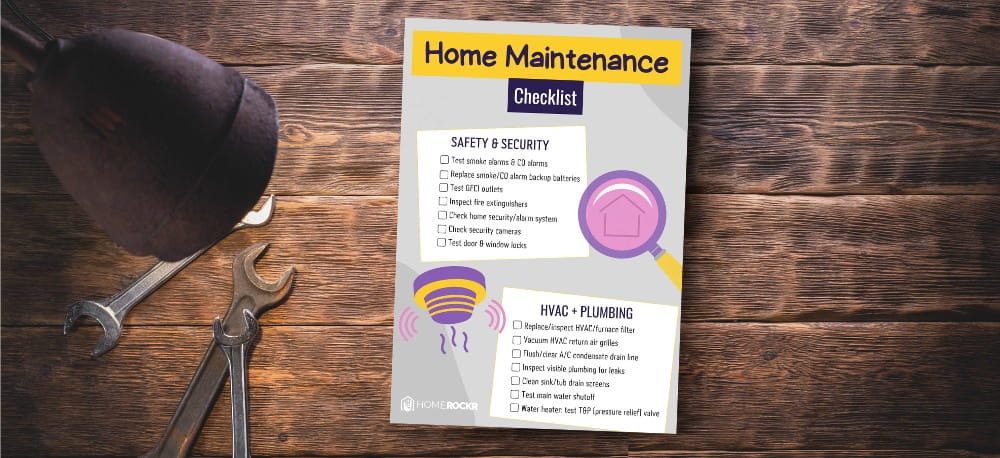
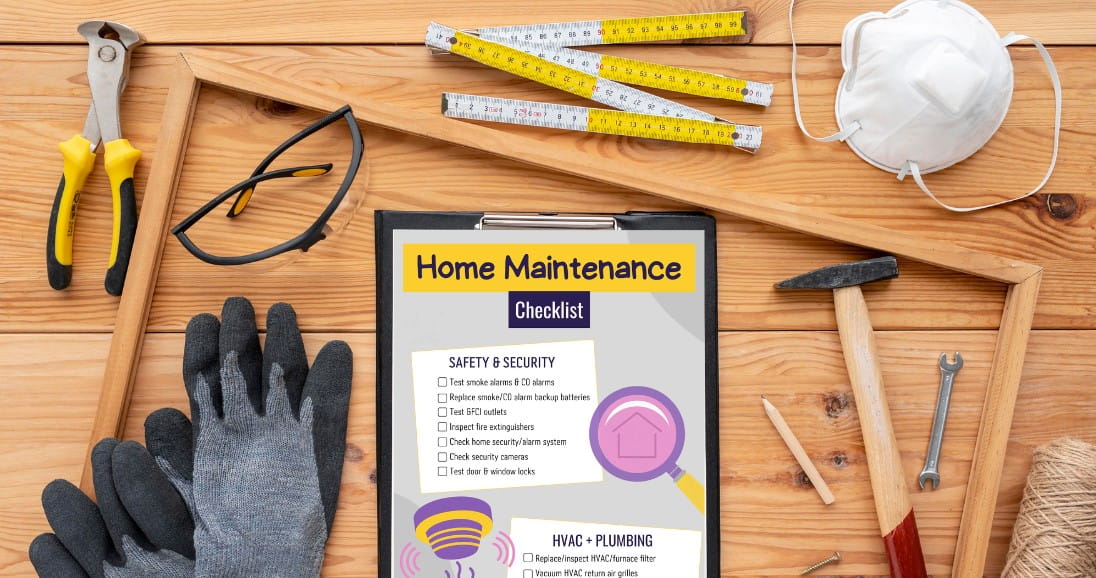
Home maintenance can feel endless. From routine cleaning to repairs and seasonal tune-ups, it’s easy for things to slip. But with a clear, honest-to-goodness home maintenance checklist and a simple rhythm, you’ll protect your home’s value and skip the nasty surprises later.

Home maintenance checklist

Why home maintenance saves money

Here’s the truth we all learn at some point: small issues grow teeth when ignored. Regular upkeep means cleaning the gutters, scanning the facade for hairline cracks and servicing heating and ventilation. Small habits like these help avoid expensive repairs and keep systems running longer.

Put off upkeep for years and the math changes. A tiny roof leak becomes ceiling damage. A tired supply line turns into a soaked cabinet. Moisture sneaks into masonry and invites mold. Regular care means spending in small, predictable bites instead of big, painful chunks.

Jetzt Haushaltsplan erstellen
Jetzt Aufräumplan erstellen
Jetzt Checkliste erstellen

Home maintenance checklist: tasks you should know

  • Check and clean gutters and downspouts
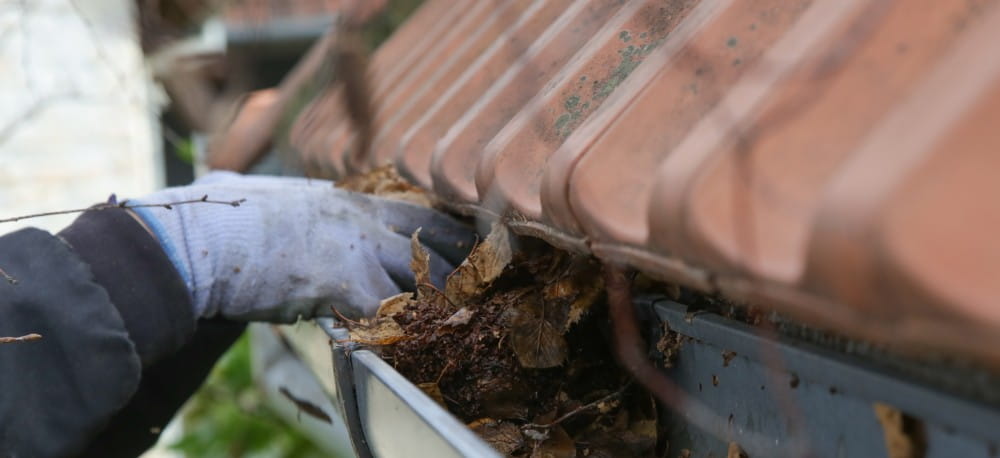
    Keep water flowing away from the house. Clear leaves and grit, confirm downspouts discharge well away from the foundation, and watch for leaks or sagging runs.
  • Test safety and warning systems
    Smoke alarms, CO detectors, water leak sensors. These quiet helpers catch problems before you do. Test regularly, replace batteries annually, and note device end-of-life dates.
  • Service the heating system
    An annual professional service keeps efficiency high and breakdowns low. Think filter changes, cleaning, safety checks, and dialed-in settings. The savings show up on your utility bill.
  • Inspect window and door seals
    Look for cracked gaskets or gaps and renew as needed. Tight seals reduce heat loss and prevent moisture damage around frames.
  • Check the facade
    Once a year, scan for cracks, flaking, algae, or damp patches. Fix small issues quickly to block water intrusion. Sills and lower edges take the most abuse. A general clean every few years helps, too.
  • Refresh exterior wood
    Decks, trim, fences, and wooden frames benefit from a fresh coat every 2–3 years (exposure varies). It’s the cheapest way to prevent fading, cracking, and rot.
  • Electrical check
    Every 5 years, have a licensed electrician inspect the system—look for overloaded circuits, warm/buzzy switches, aging breakers, and confirm GFCI/AFCI protection is in place.
  • Inspect and maintain plumbing
    Scan for drips and stains under sinks, around toilets, and near the water heater. Replace tired supply hoses with braided stainless. Fix small leaks immediately.
  • Roof look-over
    From the ground (binoculars help), look for missing shingles, lifted flashing, or debris. Address problems early to prevent water damage and extend roof life.
  • Clean and care for outdoor areas
    Clear debris, wash patio/deck/driveway surfaces where appropriate, and note any cracks or settling that could worsen.
  • Basement check (mold)
    Do a regular visual check for damp spots, musty odors, or white residue on walls. If you’re unsure whether a white deposit is mold or minerals, our guide on white basement spots (mold vs. salt) can help.
Homerockr kostenlos testen:
Laden im App StoreLaden im Google Play Store
Home maintenance checklist pdf

Home maintenance checklist as PDF free for download

Free Checklist

Home maintenance checklist as PDF

Our streamlined home maintenance checklist PDF keeps all the essentials in one place. It’s a solid base for your home maintenance schedules. You can download it from here, print it and stick it to the fridge.

Lifespan of components and materials

Different parts of a home age at wildly different speeds and care makes a big difference. Some items are short-lived, others are generational. Plan ahead and you won’t be caught off guard.

Short-lived (5–10 years): Interior paint, carpet and vinyl flooring, interior doors, and many bathroom or kitchen fixtures such as faucets, shower valves, and caulk fall into this group. These are everyday-use components that need regular upkeep and straightforward replacement when they get tired or leaky.

Short to mid-life (10–25 years): Many electrical and heating components, bathroom grout and sealants, radiators, blinds and shades, as well as garage doors and openers typically last in this range. With routine maintenance and the occasional partial upgrade, these systems remain safe and reliable through their middle years.

Mid to long (25–50 years): Windows, exterior doors, roofing, and exterior cladding or stucco usually land here, alongside natural stone and hardwood floors. Expect one major refurbishment per generation. Think of a roof refresh, new glazing or seals on windows, or a floor refinish that brings back the sheen.

Long-lived (50–100 years): Structural workhorses like the foundation, load-bearing walls, slabs, and stair structures can last decades with minimal intervention. The same goes for many drain and vent lines. Maintenance usually boils down to periodic inspections, spot repairs, and keeping moisture at bay.

Very long-lived (100+ years): Quality masonry, brick and stone facades, reinforced concrete elements, and thick hardwood floors (such as oak planks) can outlast us all with regular care. Clean, seal, and refinish when needed, and these materials will serve multiple generations.

💡Deine Haus-Checkliste in der App

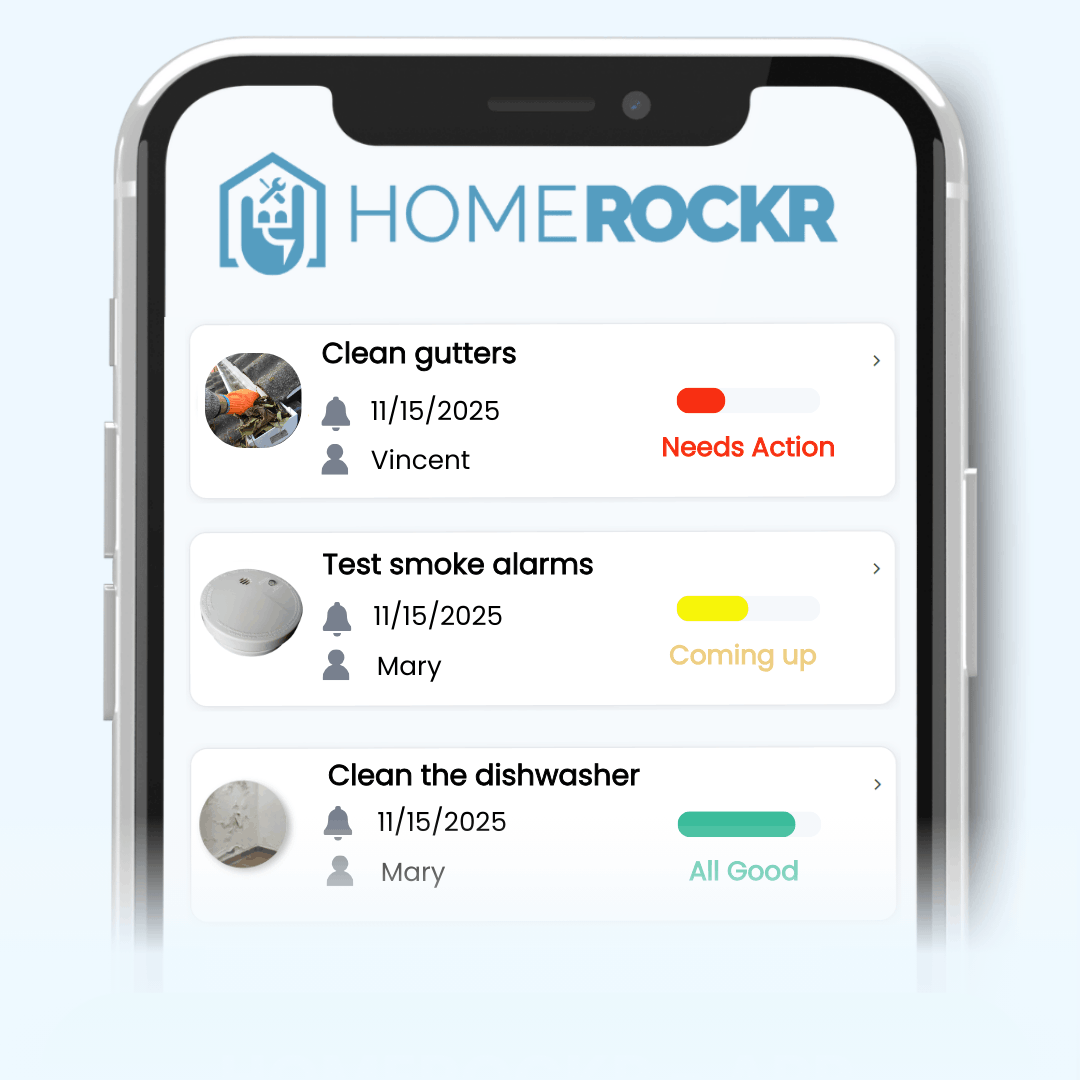
Mit der Homerockr-App organisierst du Wartung, Renovierung und kleine To-Dos am Haus mühelos. Behalte den Überblick, bevor aus kleinen Aufgaben große Kosten werden.

Infos zur Homerockr-App
Wartungsplan anlegen
Laden im App StoreLaden im Google Play Store
Homerockr App

Pros for home maintenance

Many home maintenance tasks are perfectly suited for ambitious DIY enthusiasts. With a bit of manual skill, the right equipment, and a solid tutorial, you can tackle a wide range of repairs and aesthetic upgrades yourself. It’s rewarding, cost-effective, and gives you a deeper connection to your home.

However, there are specific areas of home maintenance where professional expertise isn't just a recommendation, it’s a necessity (and often a legal requirement). Here is how to know when to step back:

The "Expert-Only" Zones

  • • Core Utility Systems: As soon as work involves your electrical wiring, heating systems, or complex plumbing, it’s time to call the experts. These are intricate systems where improper installation can lead to severe consequential damage, fire hazards, or extremely costly defects.
  • • High-Altitude Risks: Tasks involving significant heights, such as roof repairs or extensive facade work, should be left to professionals. The safety protocols and specialized equipment required here often go beyond what a typical homeowner can manage safely.

Ultimately, if you want to ensure the long-term value and safety of your property, bringing professionals in for major maintenance or modernization projects is a smart investment. For everything else? Grab your toolbelt.

Savings for the house – rule of thumb

Owning a home is a long-term investment, but it comes with the ongoing responsibility of maintenance. To avoid the stress of unexpected repairs, it is essential to build a dedicated "sinking fund" well in advance.

Standard Rules of Thumb: In the US, there are two common ways to calculate how much you should save:

  • • The 1% Rule: Budget 1% of your home’s purchase price annually for maintenance. For a $450,000 home, that means setting aside $4,500 per year.
  • • The Square Foot Rule: Alternatively, you can plan to save $1.00 per square foot of living space each year. For a 2,500-square-foot house, this equates to $2,500 annually.

Smart Financial Planning: The most effective strategy is to treat home maintenance like a monthly utility bill. By depositing a fixed amount into a separate savings account, you ensure that funds are available for major projects

home maintenance check gutter

At least twice a year, check gutters for clogs and buildup. Your siding and soffits will thank you.

How much to set aside for what?

As a homeowner, you have the freedom to allocate your savings based on your own priorities. This financial reserve—your "sinking fund"—is a powerful tool to maintain and even increase your home’s market value through strategic investments. Whether you choose to prioritize modernizing your HVAC system, investing in energy-efficient upgrades, or simply giving the exterior a fresh coat of paint, the choice depends entirely on your long-term goals.

To help you plan, the table below provides estimated cost ranges for typical home maintenance projects in the U.S. Please note that these are rough estimates; actual costs will vary based on your location, the quality of materials, and how much "sweat equity" (DIY work) you contribute.

  • Roof Replacement (every 20–30 years) - $10,000 – $35,000+
  • Exterior Painting / Siding Repair (every 7–12 years) - $5,000 – $15,000
  • Window Replacement (Whole House) (every 20–40 years) - $15,000 – $40,000
  • HVAC System Replacement (every 15–25 years) - $8,000 – $15,000
  • Electrical Panel/Wiring Upgrade (every 30–50 years) - $3,000 – $10,000
  • Bathroom Remodel/Plumbing (every 20–30 years) - $10,000 – $30,000
  • Flooring Replacement (every 10–25 years) - $5,000 – $20,000
  • Gutter Repair/Replacement (every 20 years) - $1,500 – $5,000
  • Landscaping & Yard Upkeep (annually) - $1,000 – $5,000
  • Deck Staining / Exterior Trim (every 3–5 years) - $2,000 – $6,000
  • Major Energy Efficiency Upgrades (varies) - $10,000 – $60,000+

Our car shines, the house gathers dust

Why is it often easier to baby the car than the house? Deadlines! Cars come with strict inspection dates and mileage reminders that create a sense of urgency. The house? Not so much. When something breaks at home, we often settle for a quick, provisional fix rather than a permanent repair.

Complexity also plays a major role. Home maintenance spans a dozen different trades, from plumbing and electrical work to landscaping. While we can simply drop the car off at a trusted garage for a full service, a house requires us to manage multiple specialists ourselves.

There is an emotional divide, too. For many, a car represents flexibility, status, and fun, whereas a house can feel like a mountain of responsibility and hidden costs. Ultimately, it comes down to human psychology: we are wired to favor instant wins over delayed ones. We see the immediate reward of a gleaming, freshly washed car, while the true benefit of home maintenance, preserving the structural integrity of the building, often isn't felt until years down the road.

Profilfoto

Author

Carsten Bohling

Carsten is a true DIY enthusiast who founded Homerockr in 2023 with a clear mission: to provide homeowners with deep expertise on everything related to their four walls. Here on the blog, he covers the full spectrum of homeownership, from essential maintenance and modern renovations to smart home solutions.

He dives deep into research to provide the Homerockr community with detailed, practical insights. When he’s not writing, he’s usually busy with his own DIY projects, where he’s often joined by his two sons.

If you have any questions or feedback, feel free to drop us a line at team@homerockr.com.

Want to stay on top of all your home maintenance tasks without the stress? Then sign up for the Homerockr app today and keep your home in perfect shape.

Homerockr – Never lose track of your home maintenance again!

Homerockr App
Laden im App StoreLaden im Google Play Store

Frequently Asked Questions

01.

How often do I really need to do home maintenance?

A quick seasonal walk-around and one proper check once a year usually do the trick. Five minutes in the basement or a glance at the gutters now can save you a full weekend of stress later. Think of it like brushing your teeth: small habit, big payoff.

02.

Which home maintenance jobs should I not DIY?

As soon as wires, gas, heating systems, or real heights come into play, it’s time to step back. When safety or serious money is on the line, calling a pro isn’t a weakness. It’s common sense.

03.

How do I calculate how much money I should set aside each month for maintenance?

Many homeowners save about 1% of the home’s purchase price per year or roughly $1 per square foot annually. Break that number down into monthly payments and treat it like a utility bill. It’s far less painful to park a small amount each month than to scramble for cash when the roof suddenly demands attention.