Jan 23, 2026

-

Recommendation

Slug Eggs in the Garden: Identification, Hatching, and Removal

For many homeowners, slugs are a real headache. The joy of carefully nurturing your homegrown vegetables can quickly turn to frustration when slugs make short work of your young seedlings. However, before these pests can wreak havoc in the spring, you can take action by actively searching for and destroying their offspring. This guide provides practical tips on how to get rid of slug eggs.

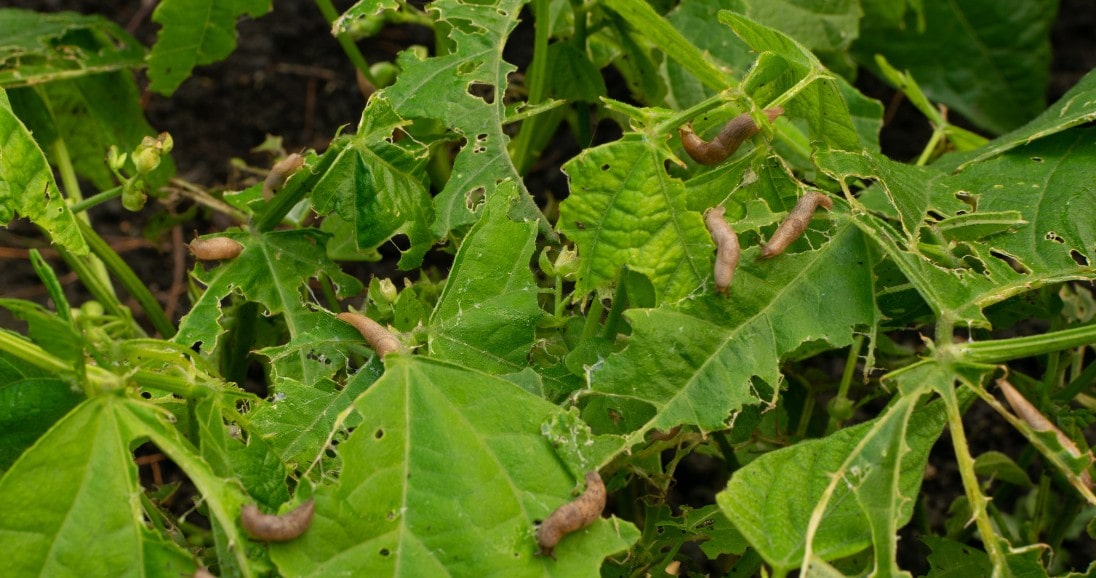
Slugs eating your plants

What Do Slug Eggs Look Like?

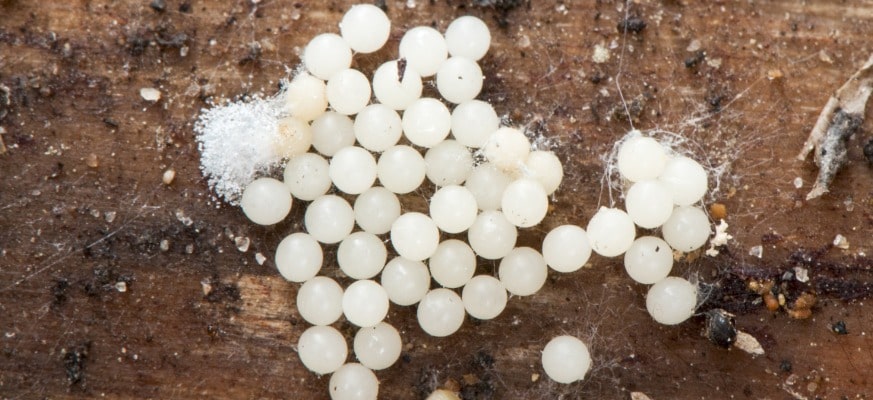
Asking "what do slug eggs look like?" is the first step toward successful identification. Slug eggs, especially those from the invasive Spanish slug, are tiny, white to pale yellow spheres, barely larger than a pinhead.They typically appear as a cluster of slug eggs containing about 50 individuals, making them stand out against the dark earth. If you happen to crush one, they feel soft and slightly slimy to the touch. A clear distinction from granular fertilizer or slow-release fertilizer pellets, which are usually harder and drier.
Jetzt Haushaltsplan erstellen
Jetzt Aufräumplan erstellen
Jetzt Checkliste erstellen
Slug eggs

Some gardeners believe they have found red slug eggs or bright yellow slug eggs, but this is a common misconception. In reality, what slug eggs look like in the soil is almost always a translucent white to pale creamy-yellow and never bright red.If you find red or yellow spheres in your potting mix, they are likely slow-release fertilizer pellets. You can easily tell the difference: fertilizer pellets are firmer and will "pop" or crack when pressed, whereas slug eggs remain soft and squishy. While you might be looking for how to get rid of slug eggs, be careful not to harm the eggs of the Roman snail (Helix pomatia). These eggs look similar whitish and often a bit more translucent but you should leave them alone. Roman snails are a protected species and are actually beneficial to your garden because they eat the eggs of the invasive slugs!

Homerockr kostenlos testen:
Laden im App StoreLaden im Google Play Store
Slug eggs – Roman snail

Don't confuse them: Roman snail eggs are whiter and can stay in your garden.

Free Checklist

How to Find and Identify Slug Eggs

To effectively identify slug eggs, you need to know exactly where to look. Slugs prefer to lay their eggs in damp, cool, and sheltered spots that provide the perfect environment for young slugs to develop. Common Hiding Spots for Slug Eggs in Soil and Gardens:

  • Soil cavities: Check in garden beds or underneath heavy planters and flower pots.
  • • Hard landscaping: Look under loose stones, wooden boards, or water butts.
  • Organic matter: Search through compost heaps, piles of leaves, or decaying wood.
  • • Pathways: Inspect the edges of garden paths and cracks in the ground.

💡Pro Tip: I always use our Homerockr App to log which areas we’ve already inspected and to set reminders for the next round of checks.

A single nest can contain between 50 and 100 eggs, and one slug can lay up to 400 eggs per year, so a thorough search really pays off. The peak egg-laying season is from late summer through December. This is the perfect window to take action and prevent a population explosion in the spring.

💡Slug egg check? Homerockr will remind you.

Mit der Homerockr-App organisierst du Wartung, Renovierung und kleine To-Dos am Haus mühelos. Behalte den Überblick, bevor aus kleinen Aufgaben große Kosten werden.

Infos zur Homerockr-App
Wartungsplan anlegen
Laden im App StoreLaden im Google Play Store
Homerockr App

Slug Eggs in Potting Soil: A Common Misunderstanding

If you find tiny spheres in a freshly bought bag of soil, your first thought might be slug eggs in potting soil. In most cases, however, there’s no need to worry. Usually, these are slow-release fertilizer pellets designed to nourish plants over time.

These pellets are often yellow, green, or red and are much firmer than actual eggs.

The Simple "Crush Test":

  • • Fertilizer: Hard, dry, and will "pop" or crack when squeezed.
  • • Slug eggs: Soft, squishy, and slightly slimy to the touch.

But beware: If your potted plants have been sitting outside all summer, slugs may have indeed laid their eggs in the container. In this case, to be safe, you should repot the plant and dispose of the old soil.

Slug eggs vs. Fertilizer

How to Get Rid of Slug Eggs

If you have discovered clusters in your garden, you must act quickly to get rid of slug eggs and prevent a population explosion next year. You don't need harsh chemicals; these natural methods work best:

  • Expose and Dry Out: Uncover the egg clusters and move them to a sunny spot. The sun will naturally dehydrate the eggs, killing the embryos. Local birds will often finish the job for you.
  • ✅ Dispose of in Household Waste: For a foolproof method, collect the eggs with a small shovel and put them in your regular trash. Never put them in the compost, as they can continue to develop there.
  • ✅ Encourage Natural Predators: Birds, hedgehogs, and beneficial snails like the Roman snail or the Leopard slug (Limax maximus) eat slug eggs. Create a wildlife-friendly garden with hedges or rock piles to give these helpers a home.

Important: Remember not to destroy the eggs of the Roman snail, as they are protected and beneficial. Focus solely on the clusters of invasive slugs.

Prevention is Everything

A real insider tip for dealing with slugs is to take preventive action in the autumn before any eggs are even laid. You should dig over your garden beds in late autumn and again during your spring garden cleanup to effectively destroy potential egg-laying sites like soil cavities. To stay organized throughout the year, be sure to add these seasonal garden checks to your Home Maintenance Checklist. It is also wise to avoid mulching too early, as mulch provides the ideal damp conditions for slugs to thrive; instead, wait until after the final hard frost in spring. Regularly loosening the earth with a hoe creates a fine, crumbly soil structure that leaves slugs with no place to hide.

Vegetable Gardening Tip: Right from the start, I applied copper tape to the bottom edges of my raised beds. Slugs have never been an issue for us since then.

Humane Methods: How to Kill Slugs Without Suffering

It is a perfectly valid question to ask how to remove slugs without causing them unnecessary pain. One humane option is to freeze them. This might sound strange at first, but if you collect the slugs and place them in the freezer, they simply fall asleep without experiencing much stress. Alternatively, you can collect them and release them far away, though you should avoid other gardens to prevent causing problems for someone else. You can also lay out boards or large leaves overnight, which makes it easy to gather the slugs hiding underneath them in the morning. As a little tip, there are helpful slug tongs available that make collecting them much more convenient.

Slug

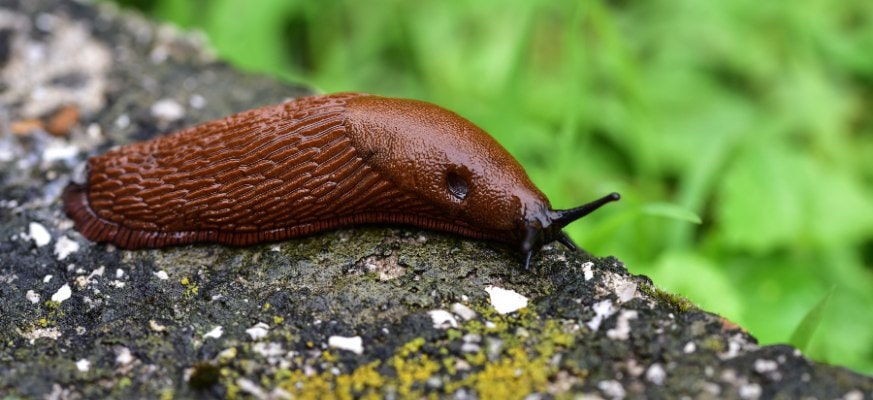
Slugs are unwelcome guests in the garden and can quickly become a real pest.

Do Slugs Come Out of the Soil?

The question "do slugs come out of the soil?" can be answered with a clear yes. Slugs lay their eggs in the ground, often in soil cavities or sheltered hiding spots, where the young slugs eventually hatch. After mild winters or during a frost-free spring, they crawl to the surface. This is why it is essential to search for slug eggs in the autumn and remove them before they have a chance to hatch.

Fighting Slugs with Home Remedies

Here are some proven, chemical-free methods to combat slugs using simple home remedies:#

  • Coffee Grounds: Caffeine acts like a toxin to slugs. Sprinkling coffee grounds around your plants can deter or even kill them.
  • Barriers: Create physical barriers using sawdust, sheep's wool, or specialized slug fences with sharp edges.
  • Slugs-Repellent Plants: Grow lavender, sage, or garlic near your flower and vegetable beds to keep them away.
  • Avoid Beer Traps: While popular, they actually attract slugs from the entire neighborhood and can make your problem much worse.

Conclusion: Use Knowledge and Strategy to Tackle Slug Eggs

Managing slug eggs in the garden can be a challenge, but with the right measures, you can significantly reduce the slug population. By learning how to identify and destroy them specifically, you can take control before the season even begins. Utilize methods like drying out the eggs, encouraging natural predators, and relying on home remedies for slugs to keep your garden chemical-free. With a proactive approach and the right prevention strategy, you can look forward to a relaxed spring and a thriving vegetable bed.

Profilfoto

Author

Carsten Bohling

Carsten is a true DIY enthusiast who founded Homerockr in 2023 with a clear mission: to provide homeowners with deep expertise on everything related to their four walls. Here on the blog, he covers the full spectrum of homeownership, from essential maintenance and modern renovations to smart home solutions.

He dives deep into research to provide the Homerockr community with detailed, practical insights. When he’s not writing, he’s usually busy with his own DIY projects, where he’s often joined by his two sons.

If you have any questions or feedback, feel free to drop us a line at team@homerockr.com.

Want to stay on top of all your home maintenance tasks without the stress? Then sign up for the Homerockr app today and keep your home in perfect shape.

Homerockr – Never lose track of your home maintenance again!

Homerockr App
Laden im App StoreLaden im Google Play Store

Frequently Asked Questions

01.

What do slug eggs look like?

They are tiny, translucent white or pale yellow spheres, about the size of a pinhead. You’ll usually find them in clusters of about 50 in damp, dark spots.

02.

Do slugs lay eggs?

Yes, and very efficiently! A single slug can lay up to 400 eggs a year, hiding them in soil cavities, under stones, or beneath garden debris to keep them moist.

03.

How long does it take for slug eggs to hatch?

Usually between 2 and 4 weeks, depending on the temperature. Eggs laid in late autumn can stay dormant in the soil and hatch when it warms up in spring.